

Vinaora Nivo Slider 3.xVinaora Nivo Slider 3.xVinaora Nivo Slider 3.xVinaora Nivo Slider 3.x

    DIETI Contact person / Partner: Maurizio Boccia

    Abstract

    Nowadays electronic medical records, billing, clinical systems data from wearables and various pieces of research provide huge amount of healthcare information. Careful analysis of these data can lead to smarter decisions, better patient care and cost savings. In this context the development and usage of analytics and data science techniques represent a valuable decision support tool for the improvement of the clinical care activities and prevention of disease or health incidents.

    Objective

    Main objectives are the processing and development of data science techniques for:

    • drug discovery and quick/precise diagnosis by the processing of clinical and laboratory reports;
    • healthcare cost reduction and resource exploitation optimization (room usage, personnel scheduling, device maintenance, etc.)

    Download

    Available

    Can be assigned to one doctoral student of cycle XXXVI 

    DIETI Contact person / Partner: Maurizio Boccia

    Abstract

    The usage of adaptive neuromodulation devices with simultaneous sensing and stimulation is the most recent advance in clinical neurological therapy. Sensing and stimulating specific areas in the nervous system will lead to maximize global knowledge about disease model, minimize time delays for therapy actuation and investigate the instantaneous response to a stimulation, enabling thus the deployment of a medical artificial intelligence as real-time therapy controller. The capability to grant a viable, low-energy communication layer between Implanted devices and computing resources is essential to allow the flourishing of neuromodulation as a continuous bioelectronic medicine.

    Objective

    Develop a remote controller system that could enable a use case involving end-to-end adaptive-loop neuromodulation, in order to:

    • minimize energy expenditure in the implanted pulse generator;
    • fulfil therapeutic task (e.g. damping oscillating behaviour in neurological disease like Parkinson, essential tremor, bypass damaged nervous areas, forecast seizures) while minimizing potential side-effects;
    • providing data exposure to third-parties in order to provide data for analytics and AI system;
    • enable a reliable and non-invasive patient-centric monitoring system for chronical disease.
    • allow interoperability with other medical use-cases related to tele-health system


    DIETI Contact person / Partner: Marcello Cinque 

    Abstract

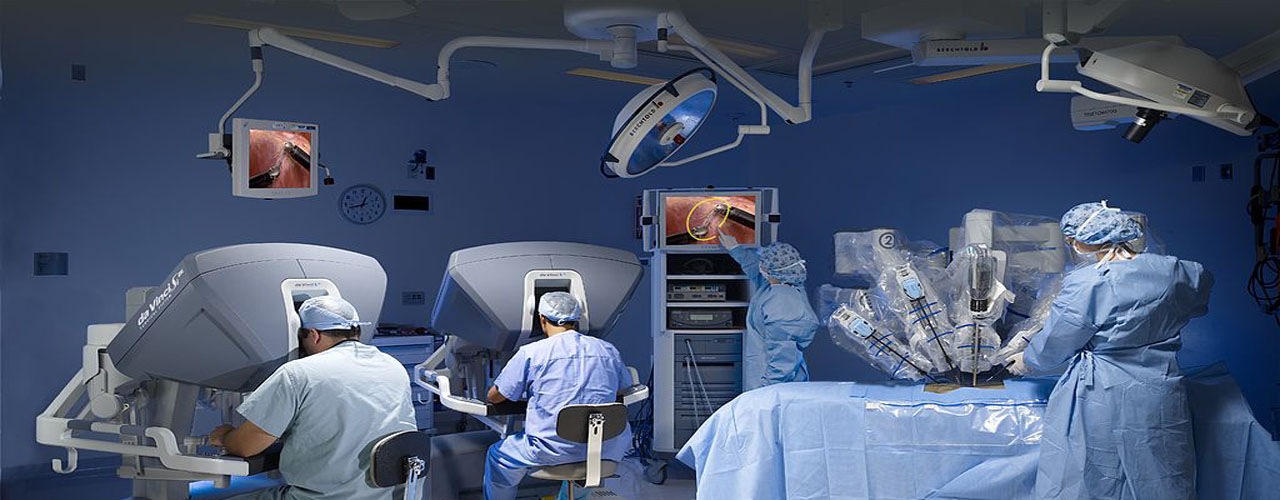
    Our lives depend more and more on the correct functioning of computer-based medical devices, ranging from wearable appliances to surgical robots. Nevertheless, as also witnessed by recent studies, software malfunctions and cyber attacks targeting such devices may harm patient health or cause sensitive data leakages.  With the collaboration of Italian and foreign partners, the aim of the research is to analyze the potential threats in current and future medical applications and define/experiment actionable countermeasures.

    Objective


    • Analyze the current practice for patient data treatment and data collection from real equipment;
    • leverage real-time data analytics solutions for on-line fault or attack detection;
    • Experiment with real-time software containerization to isolate critical components.


    DIETI Contact person / Partner: Paolo Bifulco

    Abstract

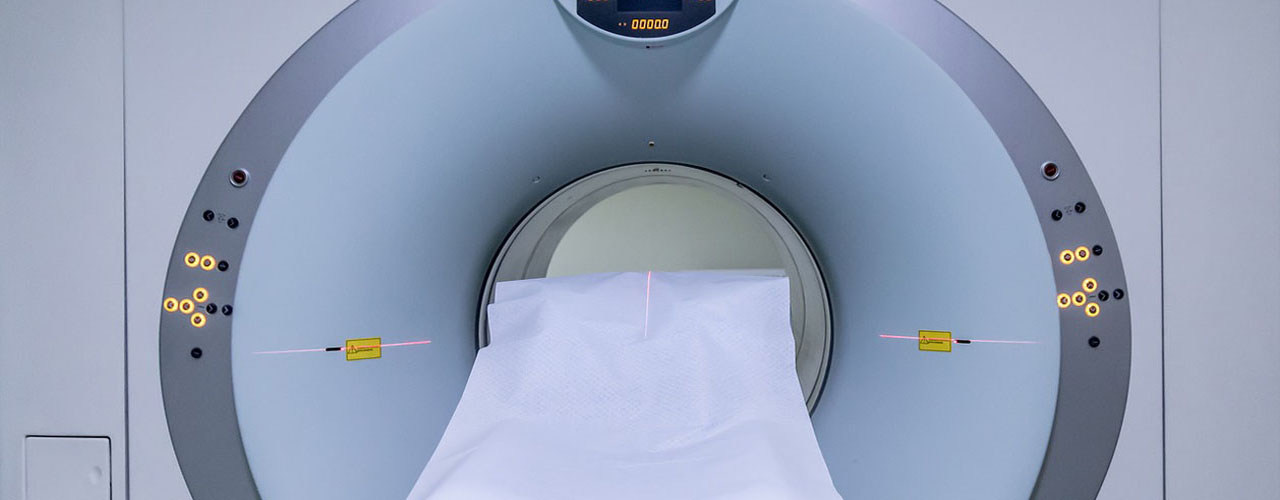
    The research aims to improve knowledge on the electrical potential generated by neurons in the brain in physiological condition and in some diseases such as epilepsy. Acquisition of biopotentials by means of electrode matrices placed directly on the brain cortex combined with anatomical information obtained by CT and MRI can provide more accurate information about the functioning of various brain areas. This can enrich our knowledge about neuroscience issues, support more specific diagnoses and treatments of pathologies and design new brain computer interfaces.

    Objective

    To obtain accurate anatomical localization of neuronal population that generate specific EEG waves by means of biomedical signals and images processing. Interpretation of some brain functions in healthy and pathological subjects. Development of diagnosis and therapy support tools.


    DIETI Contact person / Partner: Antonia Maria Tulino

    Abstract

    The goal of this research activity is the development of computational tools and algorithms for diagnostics at the single cell level by using holographic imaging in opto-fluidic environments. Recently, optical imaging and microfluidics was used synergistically to synthesize novel functionalities for biological samples characterization. Among optical imaging modalities, the label-free quantitative phase imaging by digital holography has been demonstrated as one of the most powerful method to investigate biological samples for diagnostic purposes. The digital holography research unit at the Istituto di Scienze Applicate e Sistemi Intelligenti “E. Caianiello”, Consiglio Nazionale delle Ricerche (ISASI-CNR), has been recognized as worldwide leader in the aforementioned fields, especially for applications in blood diseases diagnostics.

    Objective

    The PhD research activity will focus on the development of new algorithms and computational tools for:

    • Fast and accurate identification of rare cells in blood samples though suitable label-free biomarkers;
    • Speeding up the holographic processing with the aim to implement the real-time point-of-care diagnostics paradigm;
    • Design and implementation of new opto-fluidics solutions.

    The possibility to employ deep learning based strategies to achieve the proposed goals will be considered


    Subcategories

    Page 2 of 5

    Privacy Policy